What Is Hydroseeding?
This is a planting technique that sprays a slurry mixture of seed, mulch, water, fertilizer, and binder onto bare soil to establish vegetation quickly and evenly. The approach originated in the United States in the 1940s and is now widely used in landscaping, infrastructure works, and environmental restoration.
Hydroseeding Method Explained
A mixing tank agitates all materials with water until a uniform slurry forms. This mixture is then pumped through a hose or turret nozzle and sprayed across the target surface. Once applied, the mulch forms a protective layer that:
- Locks moisture around the seed
- Shields against wind and sunlight
- Reduces soil erosion from rainfall
- Encourages germination and root development
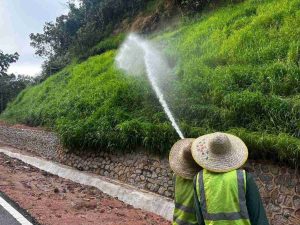
Materials Used
Although recipes vary, most setups include:
Seeds
Selected based on climate, shade tolerance, soil type, and project goals. Common warm-season and cool-season species are used, along with native blends for ecological restoration.
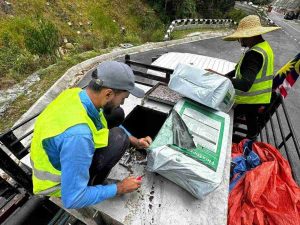
Mulch
Mulch is the moisture-holding component. Options include paper fiber, wood fiber, bonded fiber matrices (BFM), and flexible growth media (FGM).
Water
Hydrates the mixture and activates nutrients.
Nutrients
Starter fertilizers assist root development and early turf establishment.
Binder (Optional)
Tackifiers help the mulch stay in place, especially on slopes or exposed areas.
Common Uses
Hydroseeding can cover large or irregular surfaces quickly, this vegetative spraying method is suitable for:
- Slope and embankment stabilization
- Erosion control on infrastructure sites
- Commercial landscaping (parks, campuses, business districts)
- Residential lawn establishment
- Mine and landfill rehabilitation
- Post-fire vegetation recovery
Comparison With Other Planting Methods
Versus Sod
Sod provides instant green but costs more and requires manual installation. Spraying a slurry is cheaper for large areas but needs time to grow.
Versus Hydorseeding
Hydroseeding gives uneven coverage and limited moisture retention. Slurry application creates better seed-to-soil contact and maintains hydration longer.
Advantages
Users choose hydroseeding approach due to:
- Faster and more uniform germination
- Moisture retention from mulch
- Lower cost compared to sod (especially at scale)
- Better performance on slopes and uneven terrain
- Ability to include fertilizers and binders in one pass
Limitations
There are considerations:
- Not an instant lawn — growth takes weeks
- Requires consistent watering during establishment
- Heavy rain can disturb newly applied mulch
- Poor soil preparation affects results
Timeline for Growth
Depending on species and climate:
- Sprouting can begin within 7–14 days
- Surface coverage develops in 3–6 weeks
- Full establishment can take several months
Cost Factors
The overall cost of this technique can vary depending on several conditions. The first factor is site accessibility. Large open fields are easier and quicker to cover compared to steep slopes or areas with limited machine access.
The second factor is the type of mulch and seed blend used. Basic paper mulch blends are less expensive, while wood fiber, BFM, or native seed mixes increase the cost due to material performance and ecological value.
The third factor involves surface preparation. Sites that require grading, soil conditioning, or removal of debris will cost more because additional labor and equipment are involved.
Finally, project size influences price. Larger areas often benefit from better rates per unit because mobilization and setup are distributed across more surface area. For most landscaping and infrastructure projects, this approach (can visit hydroseeding Malaysia) remains competitive when compared to sod or staged erosion control systems.
Who Uses Hydroseeding Technique
It is commonly applied by:
- Landscape contractors
- Highway and railway agencies
- Environmental engineers
- Municipalities
- Civil construction firms
- Sports field managers
- Residential lawn installers
Is It Worth It?
It is generally considered cost-effective when:
- The area is large
- Slopes or difficult terrain are present
- Erosion control is required
- Budget is limited compared to sod
- Uniform seeding is a priority
Maintenance After Hydroseeding Completed
Once the slurry has been applied, proper maintenance supports healthy growth. Newly treated areas should be watered consistently for the first few weeks, especially in warm or dry climates.
Foot traffic should be minimized until germination and root anchoring have occurred. In certain climates, contractors may apply a follow-up fertilizer after several weeks to support turf density and color. When applied correctly, the method requires less physical labor over time and provides stable vegetation that supports soil structure and aesthetics. In Malaysia, there are guidelines provided by JKR for contractors to follow.
Bottom Line
This spraying-based vegetation method offers a strong balance between cost, performance, and coverage. It supports everything from residential lawns to major infrastructure and restoration projects, making it one of the most versatile options for establishing grass and controlling soil erosion.
👉 Talk to us today on WhatsApp: 018-297 3716
🌐 Learn more at our official website: Hydroseeding Malaysia